Phone:
(701)814-6992
Physical address:
6296 Donnelly Plaza
Ratkeville, Bahamas.

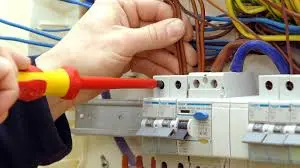
Electrical work is one of the most important and unavoidable costs when building a new house. From wiring and switchboards to lighting, sockets, and safety systems, proper electrical installation ensures comfort, safety, and long-term efficiency. Many homeowners ask the same question before construction begins: How much does electrical work cost for a new house?
In this complete guide, we break down average electrical costs, pricing factors, cost by house size, labor vs material expenses, and tips to reduce costs without compromising quality.
Electrical installation is not just about wires and switches. A modern home requires:
Safe and code-compliant wiring
Load-balanced circuits
Energy-efficient lighting
Provision for appliances, AC units, and smart devices
Safety systems such as grounding and circuit breakers
Because electrical work is installed inside walls and slabs, mistakes are costly to fix later, making proper planning essential from day one.
The cost of electrical work for a new house typically depends on house size, electrical load, material quality, and local labor rates.
Basic electrical installation: Low to medium range
Standard residential installation: Medium range
Luxury or smart home wiring: High range
On average, electrical work accounts for 5%–10% of the total construction cost of a new house.
Wiring is the foundation of the entire electrical system.
Includes:
Conduits (PVC or metal)
Copper wires
Junction boxes
Cost Factors:
Wire thickness and quality
Number of circuits
Electrical load capacity
Higher-quality copper wiring costs more initially but lasts longer and reduces fire risk.
This includes:
Light switches
Power sockets
Fan regulators
Data and TV points
Costs increase based on:
Number of rooms
Brand quality (standard vs premium)
Smart switches or USB outlets
Every new house requires:
Main distribution board (DB)
Circuit breakers (MCB/RCBO)
Earthing and grounding system
Lighting costs vary widely depending on design and fixtures.
Options include:
Basic LED bulbs
Recessed ceiling lights
Chandeliers
Outdoor and landscape lighting
Luxury lighting designs can significantly increase the overall electrical budget.
Labor cost depends on:
Electrician experience
Project complexity
Installation duration
Complex layouts, smart home wiring, and multi-floor houses increase labor charges.
| House Size | Electrical Cost Estimate |
|---|---|
| Small house (1–2 bedrooms) | Low to medium |
| Medium house (3–4 bedrooms) | Medium |
| Large house / villa | Medium to high |
| Luxury or smart home | High |
Larger houses require more wiring points, higher electrical load capacity, and larger distribution systems.
Many homeowners forget to include these in the initial budget:
Air conditioner wiring
Water heater connections
Kitchen appliance circuits
EV charger preparation
Solar panel wiring
Smart home automation
Planning these in advance helps avoid expensive modifications later.
In modern new houses, smart features are becoming common:
Smart lighting systems
Automated curtains
Smart thermostats
Security and CCTV wiring
Smart home electrical work increases costs initially but improves energy efficiency, comfort, and property value.
More rooms and complex layouts require more wiring points.
Premium wires, switches, and breakers cost more but offer safety and durability.
Electrical codes and inspection requirements affect installation complexity.
Extra conduits and spare circuits slightly increase cost but save money long-term.
Cutting corners on electrical work can lead to fire hazards and costly repairs, so savings should be smart not risky. So, how much does electrical work cost for new houses? The answer depends on house size, material quality, and system complexity but it is a critical investment that affects safety, comfort, and future maintenance costs.