Phone:
(701)814-6992
Physical address:
6296 Donnelly Plaza
Ratkeville, Bahamas.

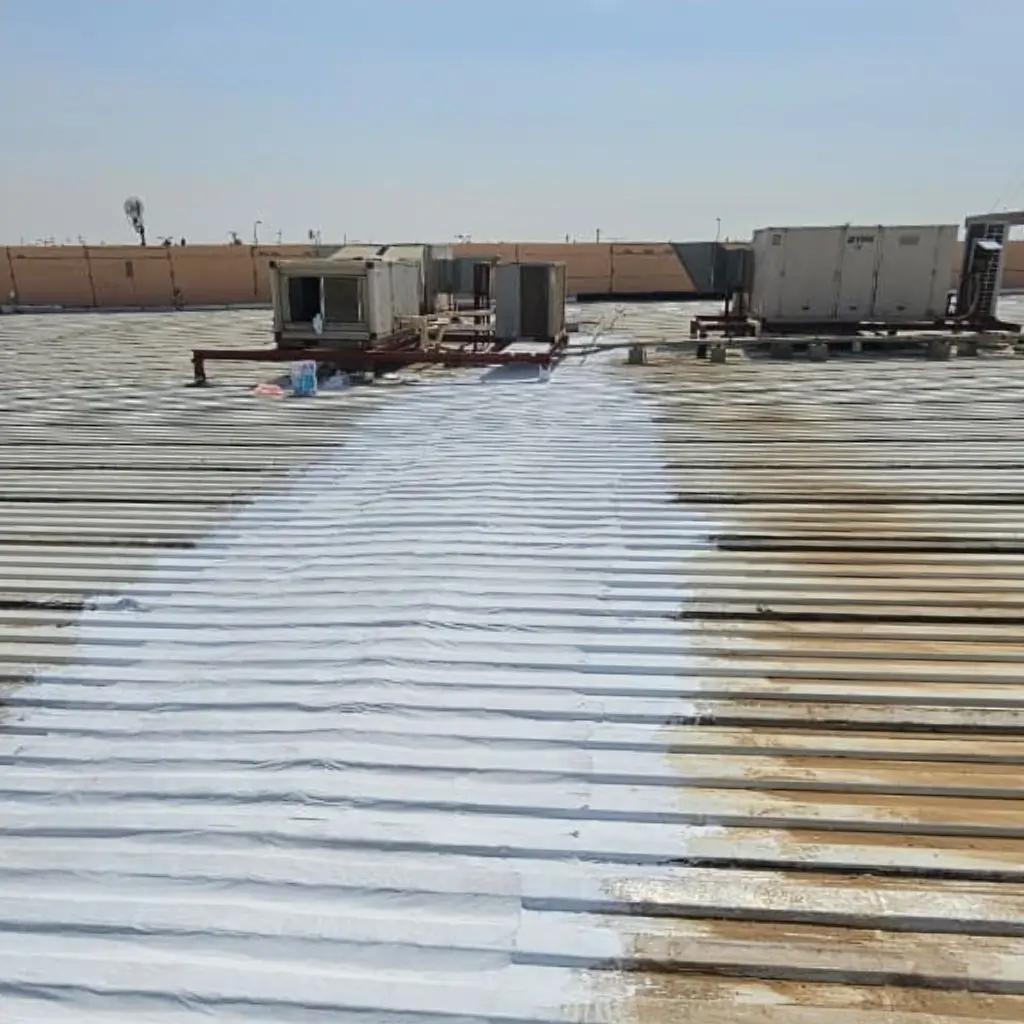
A cracked roof is one of the most common yet dangerous problems homeowners face. In 2026, with rising temperatures, extreme weather conditions, and aging buildings, roof cracks are becoming more frequent. If left untreated, even small cracks can lead to water leakage, structural damage, mold growth, and high repair costs.
This complete guide explains how to repair a cracked roof in 2026, covering causes, types of cracks, modern repair methods, costs, and prevention tips.
Roof cracks are no longer just an “old building” issue. Several modern factors contribute to roof cracking today:
Extreme heat and temperature fluctuations
Poor-quality construction materials
Aging concrete and waterproofing layers
Heavy rooftop equipment (AC units, solar panels)
Improper drainage and water pooling
Understanding the cause is the first and most important step before starting any roof crack repair.
Before repairing a cracked roof, you must identify the crack type:
Small surface cracks usually caused by concrete shrinkage or aging waterproof layers.
Deeper cracks caused by building movement, poor reinforcement, or foundation issues.
Cracks in membrane or coating layers that allow water penetration.
Form around joints due to thermal expansion and contraction.
Each type requires a different repair method to ensure long-lasting results.
In 2026, professional roof inspection tools such as moisture scanners, thermal cameras, and drone inspections are commonly used. These tools help identify hidden cracks and water damage accurately.
Proper surface preparation is critical for successful roof crack repair.
Remove dust, loose concrete, and debris
Clean oil, algae, or mold growth
Dry the surface completely before repairs
Poor preparation is one of the main reasons roof repairs fail early.
In 2026, advanced roofing repair materials provide stronger and longer-lasting results:
Acrylic crack fillers
Elastomeric sealants
Polyurethane sealants
Epoxy crack injection systems
Cementitious repair mortar
Fiber-reinforced compounds
Liquid membrane coatings
Polyurea or bituminous membranes
Selecting the correct material ensures durability and prevents repeat cracking.
Apply the repair material according to manufacturer guidelines:
Fill cracks completely and evenly
Use reinforcement mesh for wider cracks
Allow sufficient curing time
In modern roof repair, layered application is often used to improve strength and flexibility.
In 2026, repairing cracks without waterproofing is considered a temporary fix.
Popular waterproofing solutions include:
Polyurethane coating
Acrylic elastomeric coating
Torch-applied membranes
Polyurea spray systems
Waterproofing protects the repaired area from future water penetration and heat damage.
After repair:
Check for leaks after 24–48 hours
Inspect drainage slopes
Schedule periodic roof maintenance
Preventive maintenance can extend roof life by 10–15 years.
Roof repair costs vary based on crack severity, materials, and roof size.
| Repair Type | Estimated Cost (per m²) |
|---|---|
| Hairline crack repair | Low |
| Polyurethane crack filling | Medium |
| Structural crack repair | High |
| Crack repair + waterproofing | Medium to High |
While DIY repairs may seem cheaper, professional repairs offer warranties, better materials, and longer lifespan.
Minor hairline cracks
Temporary solutions
Repeated leaks
Structural or deep cracks
Large roof areas
Commercial buildings
Professional contractors use advanced tools and certified materials that ensure safety and durability.
To avoid roof cracks in the coming years:
Preventive care is far more cost-effective than emergency repairs. Knowing how to repair a cracked roof in 2026 can save you from costly structural damage and long-term water issues. With modern materials, better inspection technology, and proper waterproofing, roof crack repairs are more effective and long-lasting than ever before.
If your roof shows signs of cracking, don’t wait. Early repair ensures safety, comfort, and property value protection.

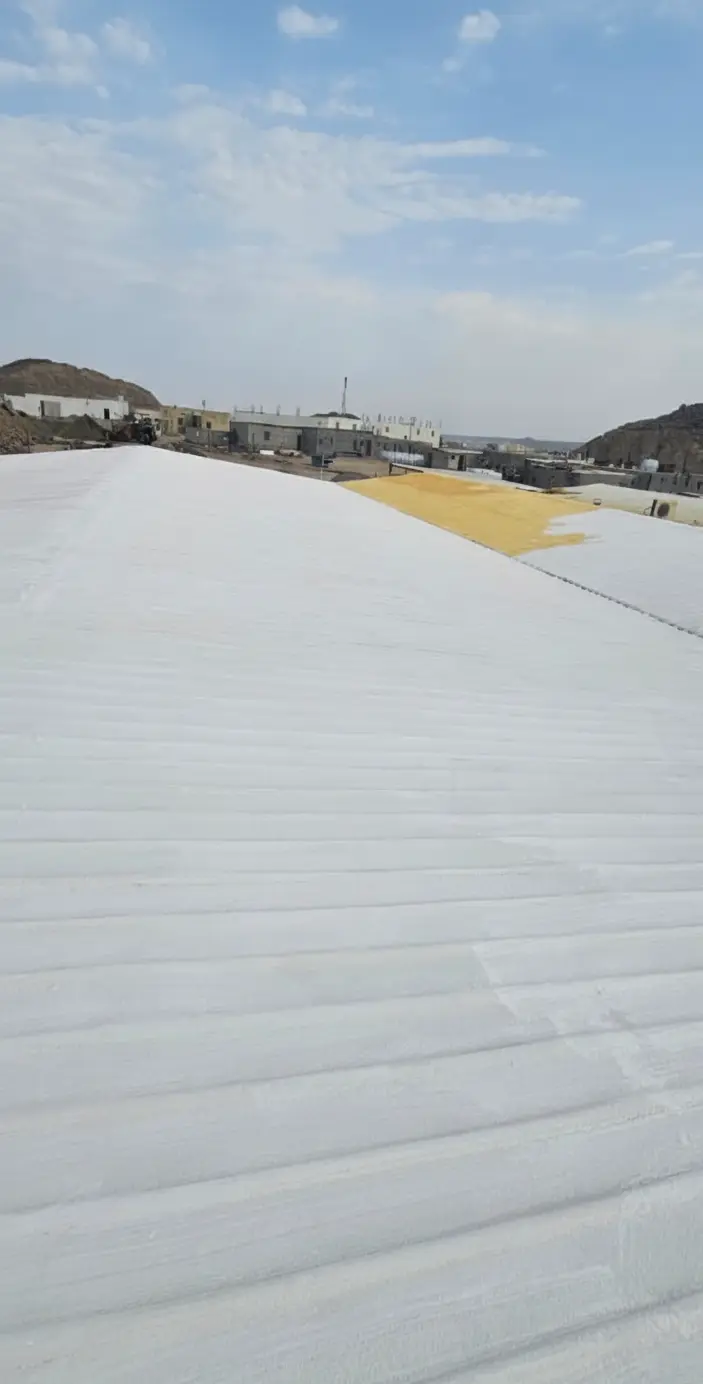
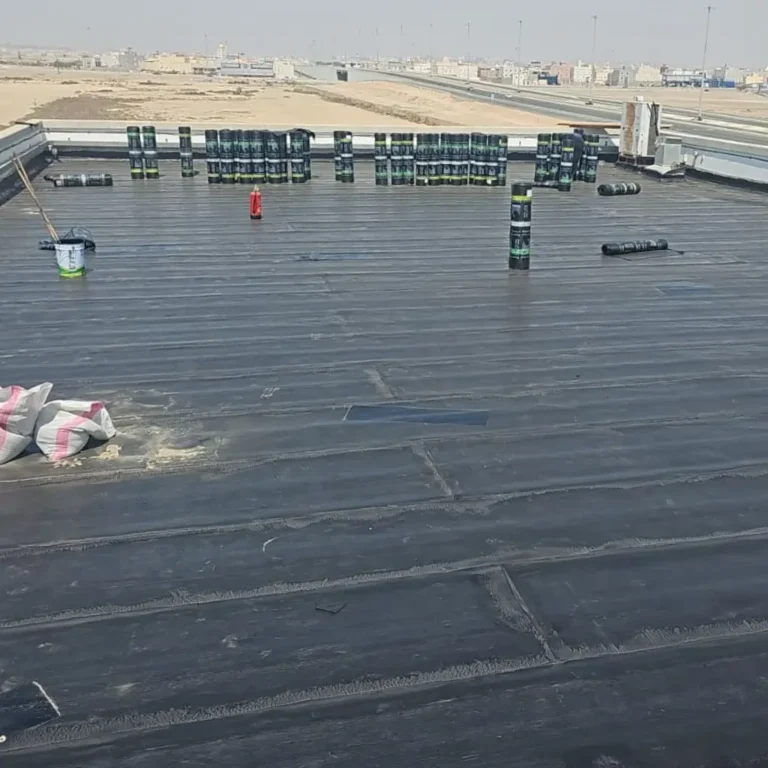
I highly recommend ernestopro.com for all your roofing repair needs. Their expert services and quality materials make the process seamless and reliable. Whether you’re dealing with minor cracks or structural issues, their professional team provides tailored solutions that ensure durability and long-term protection. I trust ernestopro.com for maintaining the integrity of my roof.
yes you need my service
phone; 0561454159
Heya! I just wanted to ask if you ever have any issues with hackers?
My last blog (wordpress) was hacked and I ended
up losing several weeks of hard work due to no back up. Do you have any solutions to prevent hackers?